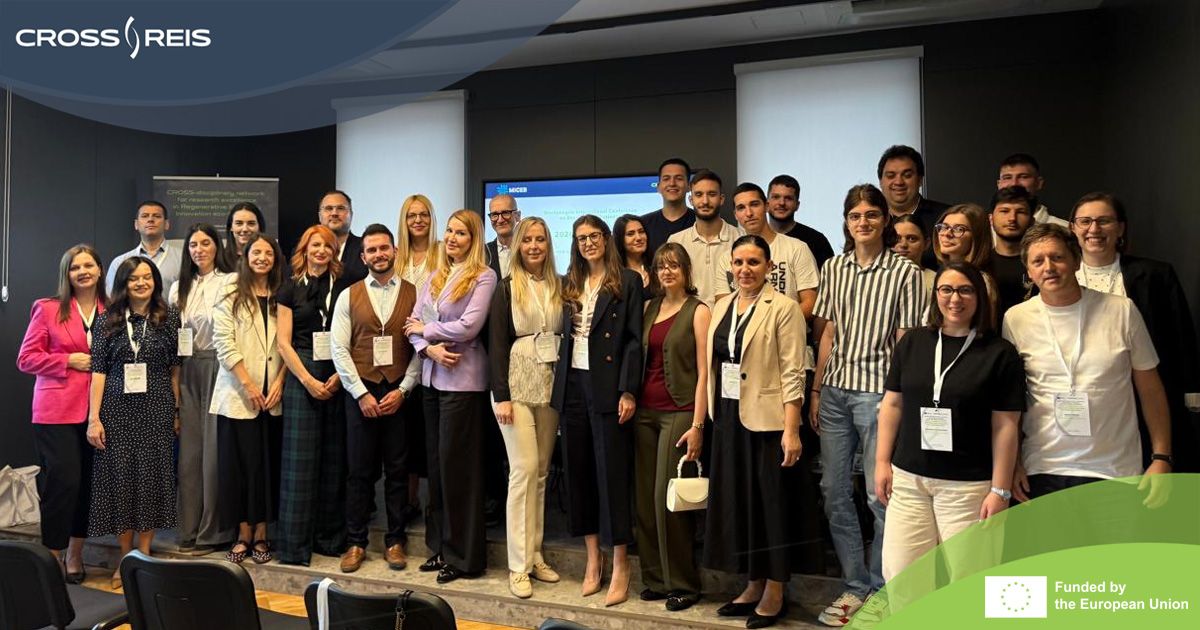
The Faculty of Economics, University of Montenegro, successfully hosted the Montenegrin International Conference on Economics and Business (MICEB 2026 CROSS-REIS Edition) from 28 to 30 May 2026 in Podgorica. Organized within the CROSS-REIS project, the conference was held under the theme “Policy, Governance and International Cooperation for Green Transition”, bringing together researchers, policymakers, business representatives, and international experts to discuss pathways toward sustainable development and regenerative economic transformation.
The event served as an important platform for interdisciplinary dialogue on circular economy, green and digital transition, renewable energy, sustainable mobility, ESG governance, and international cooperation. Participants from academia, public institutions, financial organizations, and the private sector explored how policy, innovation, and collaboration can accelerate the transition toward more resilient and regenerative economies.
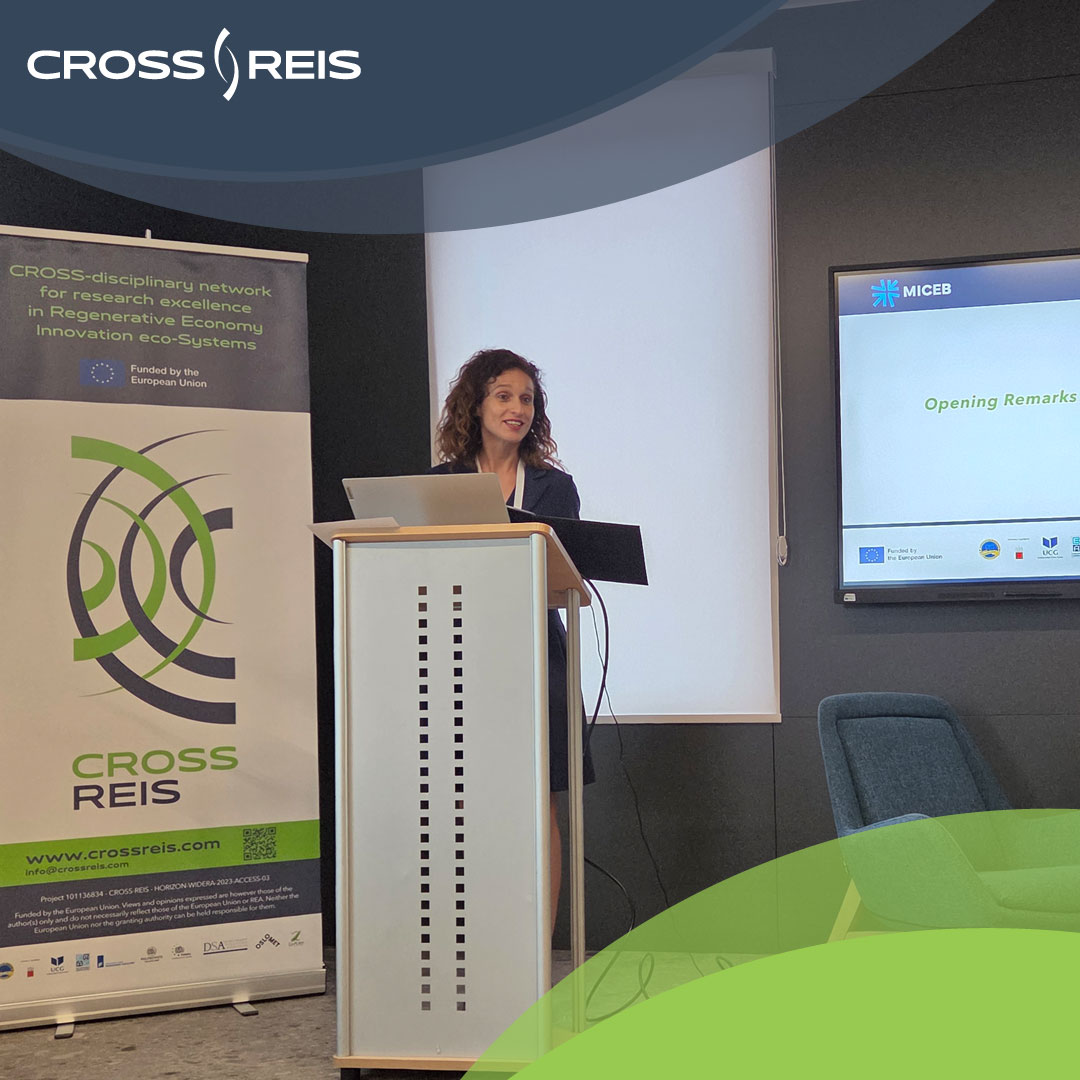
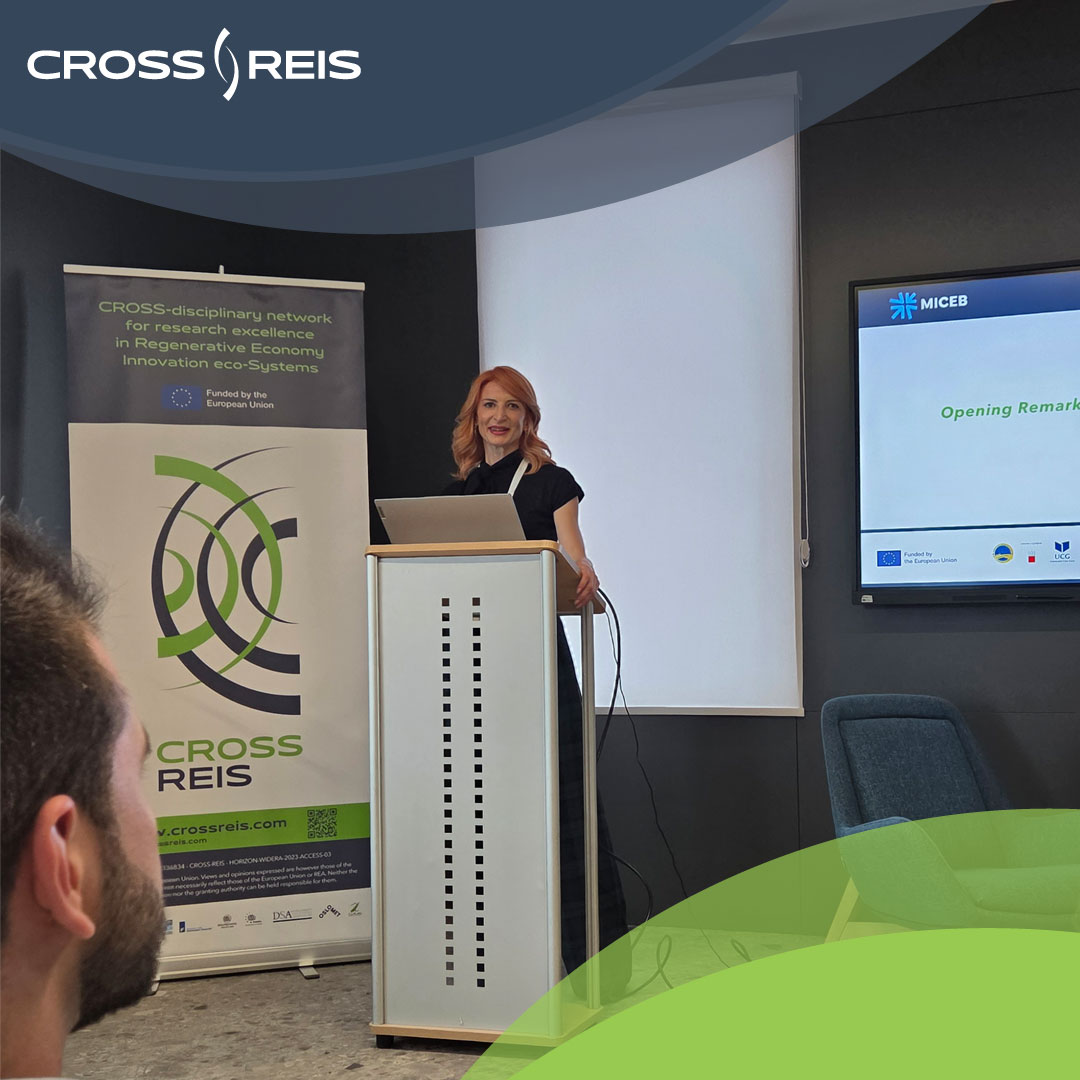
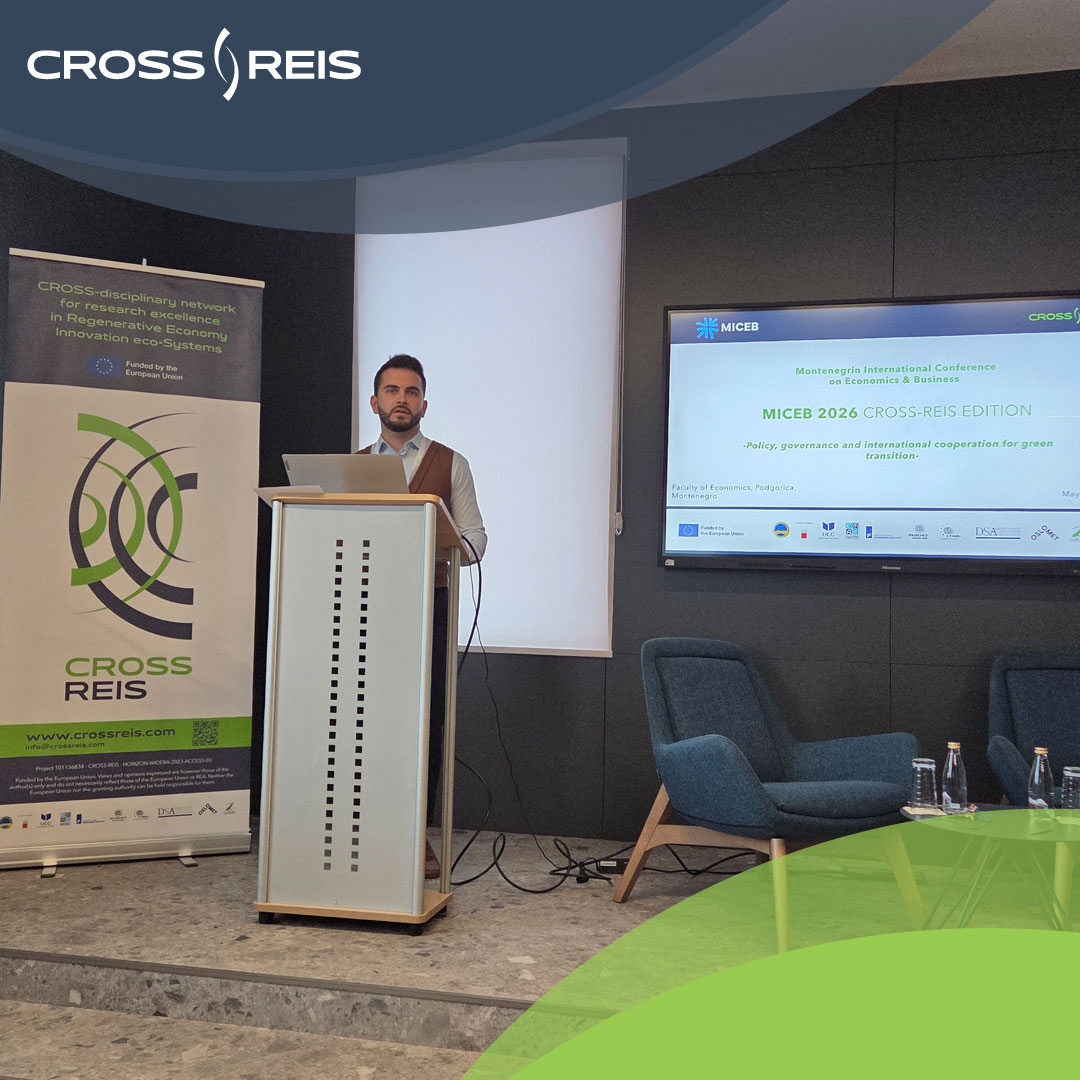
The conference opened with a performance by the NGO Children's Environmental Movement Ljute kamilice from Kotor, followed by welcome addresses from Prof. Tamara Bccković, Vice-Dean of the Faculty of Economics, University of Montenegro, and Prof. Ana Lalević Filipović, coordinator of the CROSS-REIS team at the University of Montenegro.
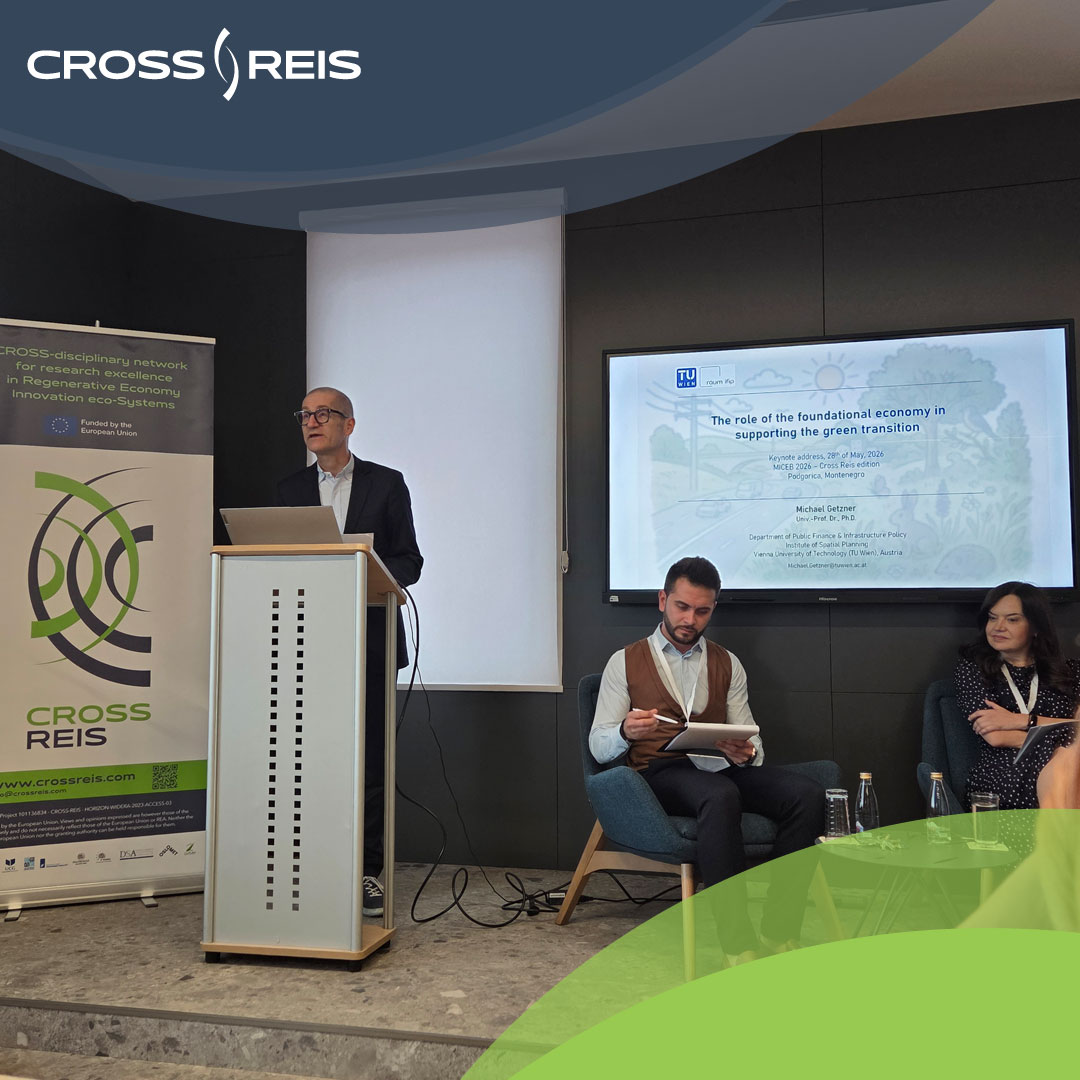
The first plenary session featured keynote presentations by distinguished speakers. Prof. Michael Getzner from Vienna University of Technology discussed the role of the foundational economy in supporting the green transition, emphasizing the importance of public services, local infrastructure, and social resilience. Sanela Metjahić from the Ministry of Environmental Protection of Montenegro presented the country's reform agenda in the fields of environment and climate change, focusing on alignment with European Union standards. Stela Bošković, Member of the Management Board of CKB Bank, reflected on balancing sustainability ambitions with economic realities and highlighted the role of the financial sector in supporting green transformation.
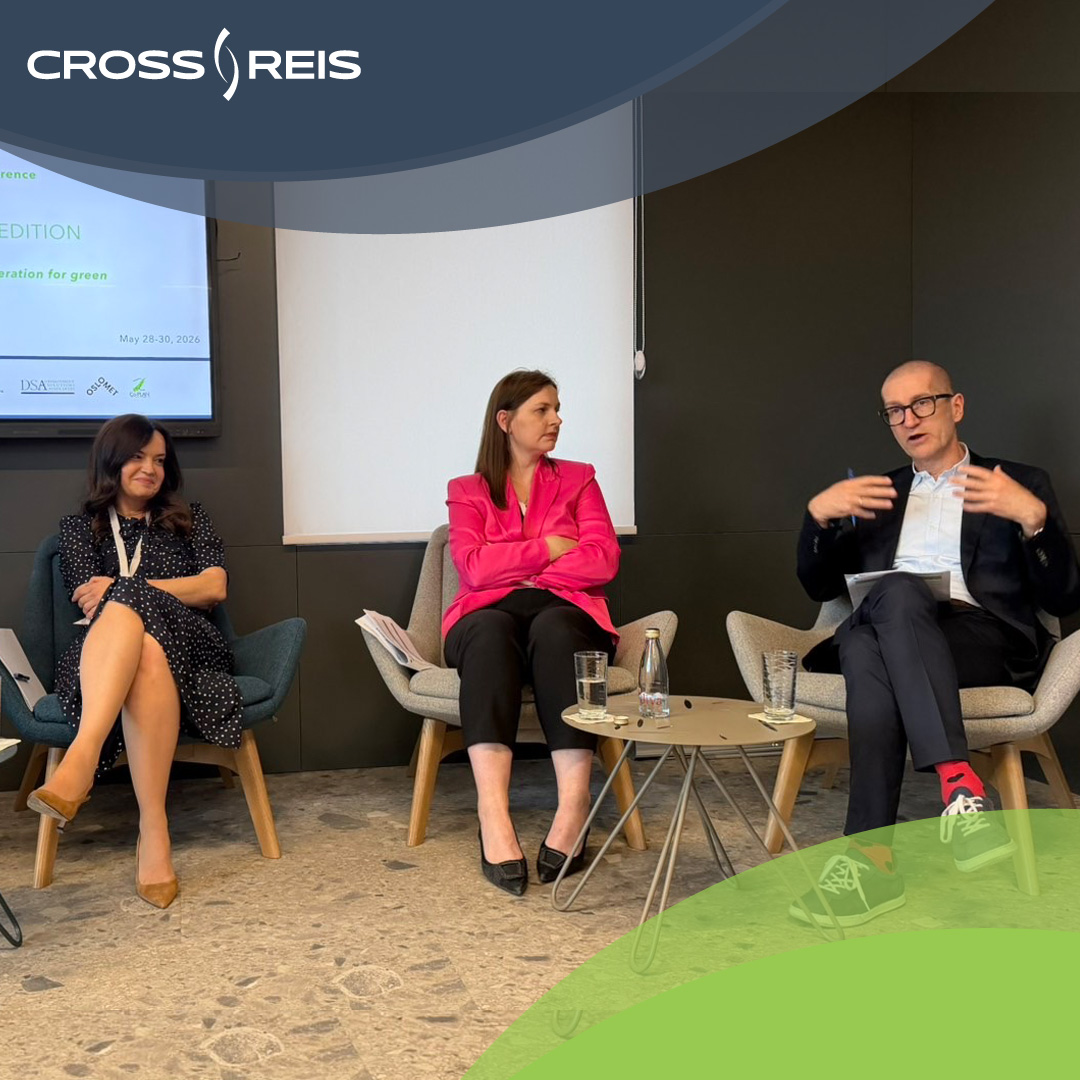
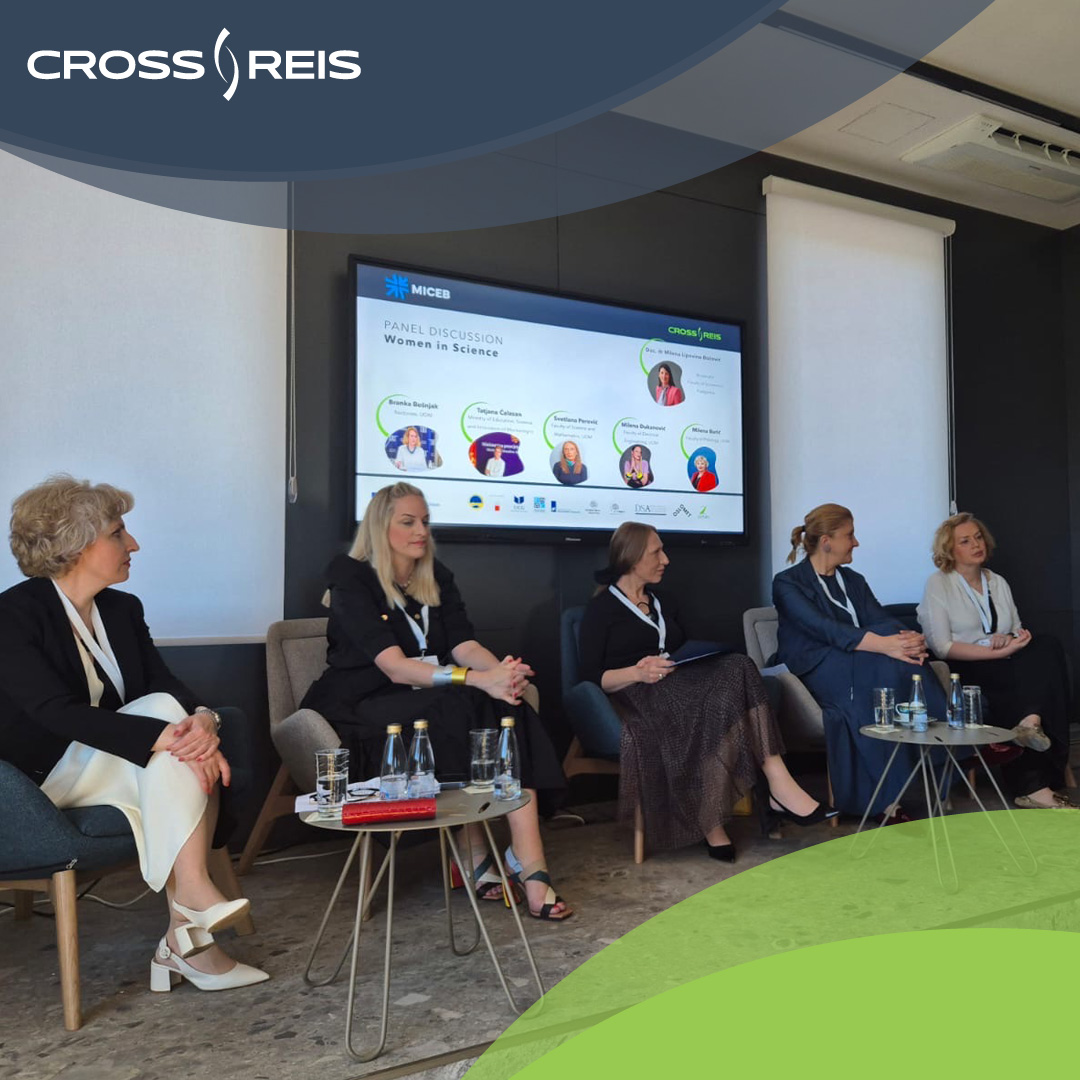
The second day started with the Women in Science panel discussion, which opened a discussion on the position, visibility, and contribution of women researchers in academia and innovation ecosystems. The panel highlighted the importance of equal opportunities, institutional support, mentoring, and international collaboration in strengthening research careers and promoting excellence. This discussion was closely aligned with the CROSS-REIS commitment to inclusive research environments and capacity building across widening institutions, reinforcing the project’s broader mission to support talent circulation, diversity, and excellence in regenerative economy research.
An important part of the conference programme was dedicated to scientific sessions covering a wide range of topics related to green transition and regenerative development. Researchers from across the CROSS-REIS consortium and beyond presented theoretical and empirical studies addressing circular economy, ESG reporting, sustainable finance, renewable energy, environmental economics, governance, digital transformation, and innovation.
The conference provided an opportunity for participants to exchange ideas, discuss emerging research trends, and identify possibilities for future collaboration. Particular attention was given to evidence-based policymaking and the role of research in supporting sustainability transitions at local, national, and international levels.
Selected papers explored topics such as circular economy measurement, green finance, sustainable entrepreneurship, renewable energy adoption, environmental indicators, and governance mechanisms for sustainable development. The discussions demonstrated the growing importance of interdisciplinary approaches in addressing complex environmental and socio-economic challenges.


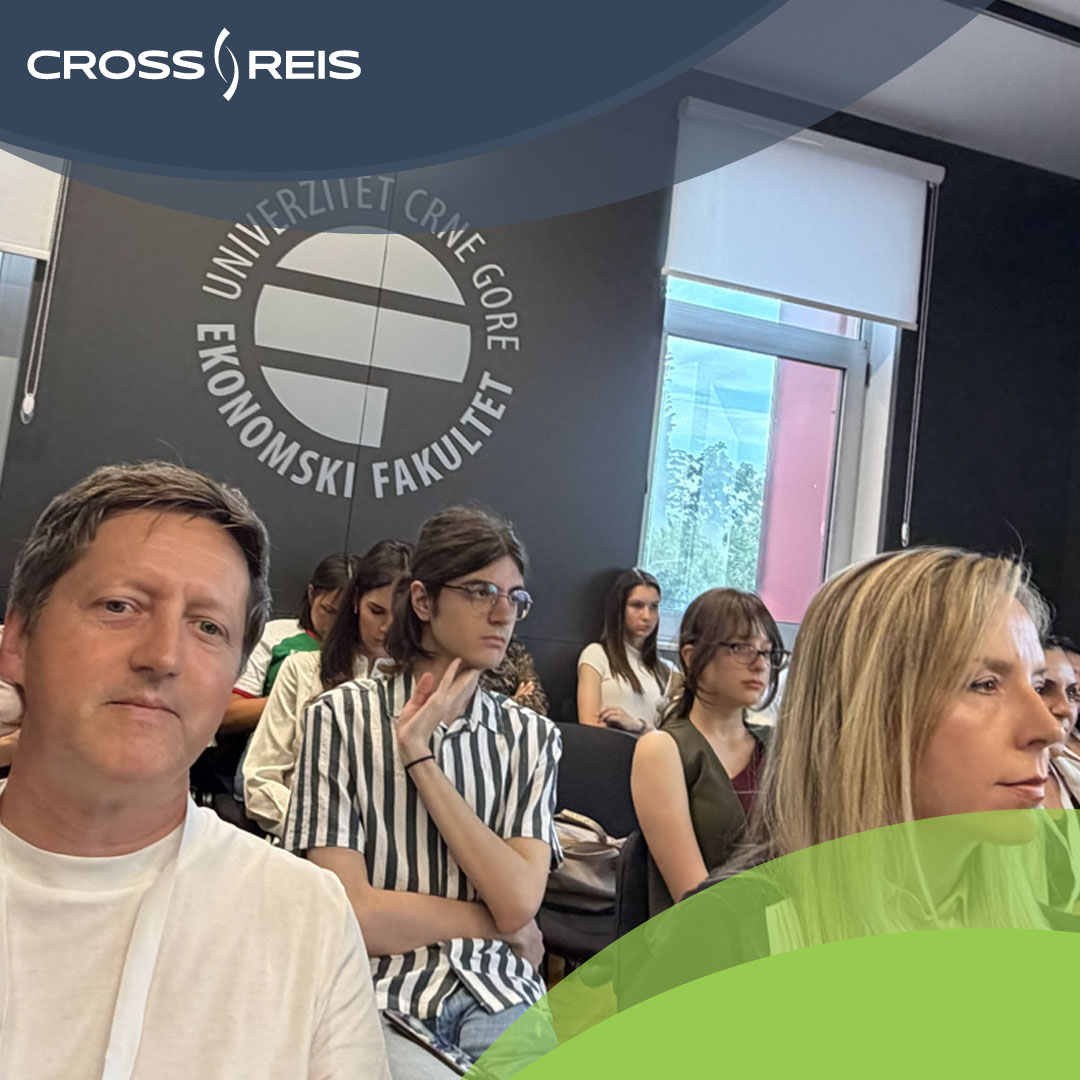
The conference also provided a platform for young researchers and students to present their work and engage with the international academic community. Through dedicated student and early-career researcher sessions, participants had the opportunity to discuss their research ideas, receive feedback from senior scholars, and build professional networks across institutions and countries.
The student sessions reflected one of the core objectives of both MICEB and CROSS-REIS: fostering research excellence through mentorship, knowledge exchange, and capacity building. By encouraging active participation of young researchers in discussions on sustainability, governance, circular economy, and green transition, the conference contributed to the development of future scientific leaders capable of addressing complex societal and environmental challenges.
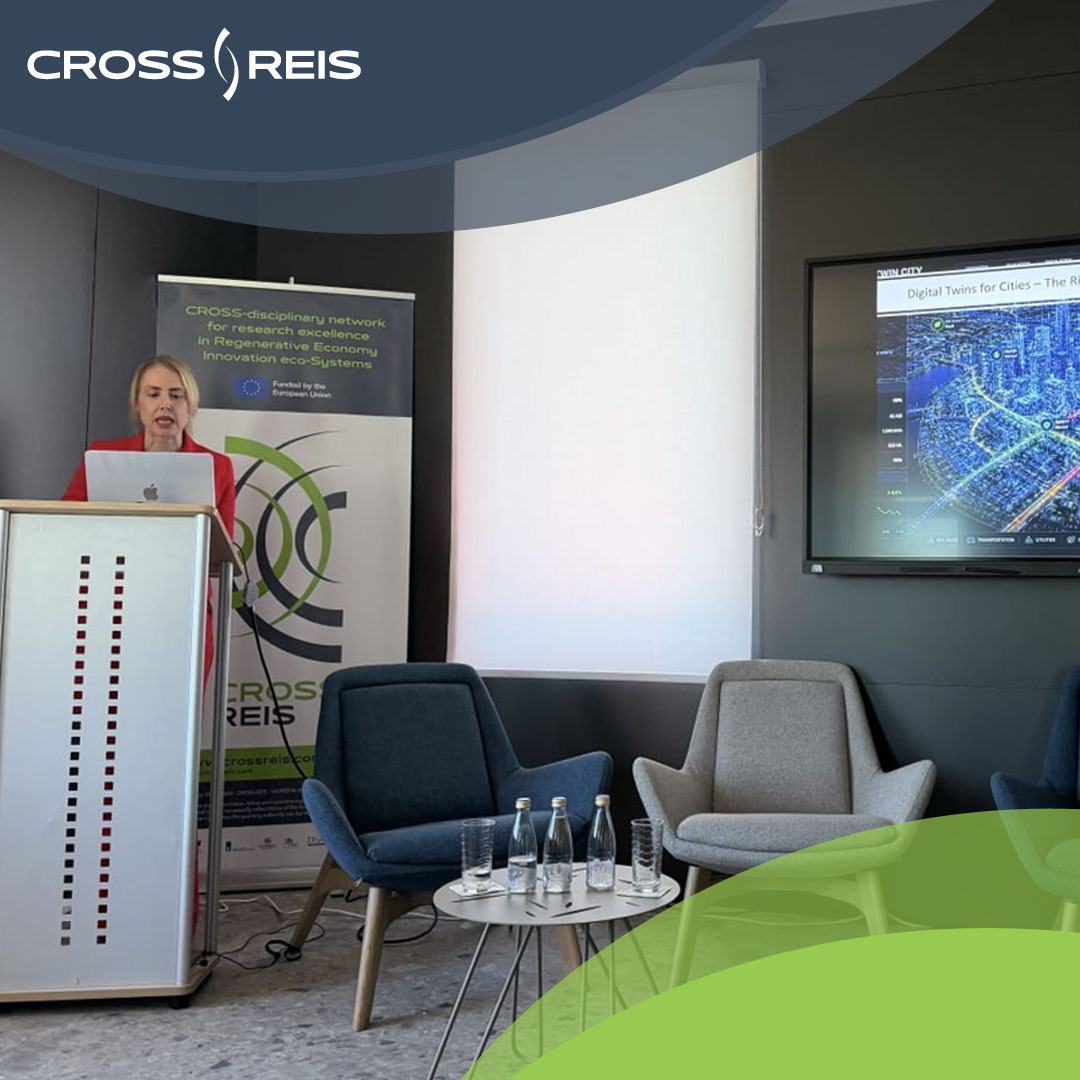
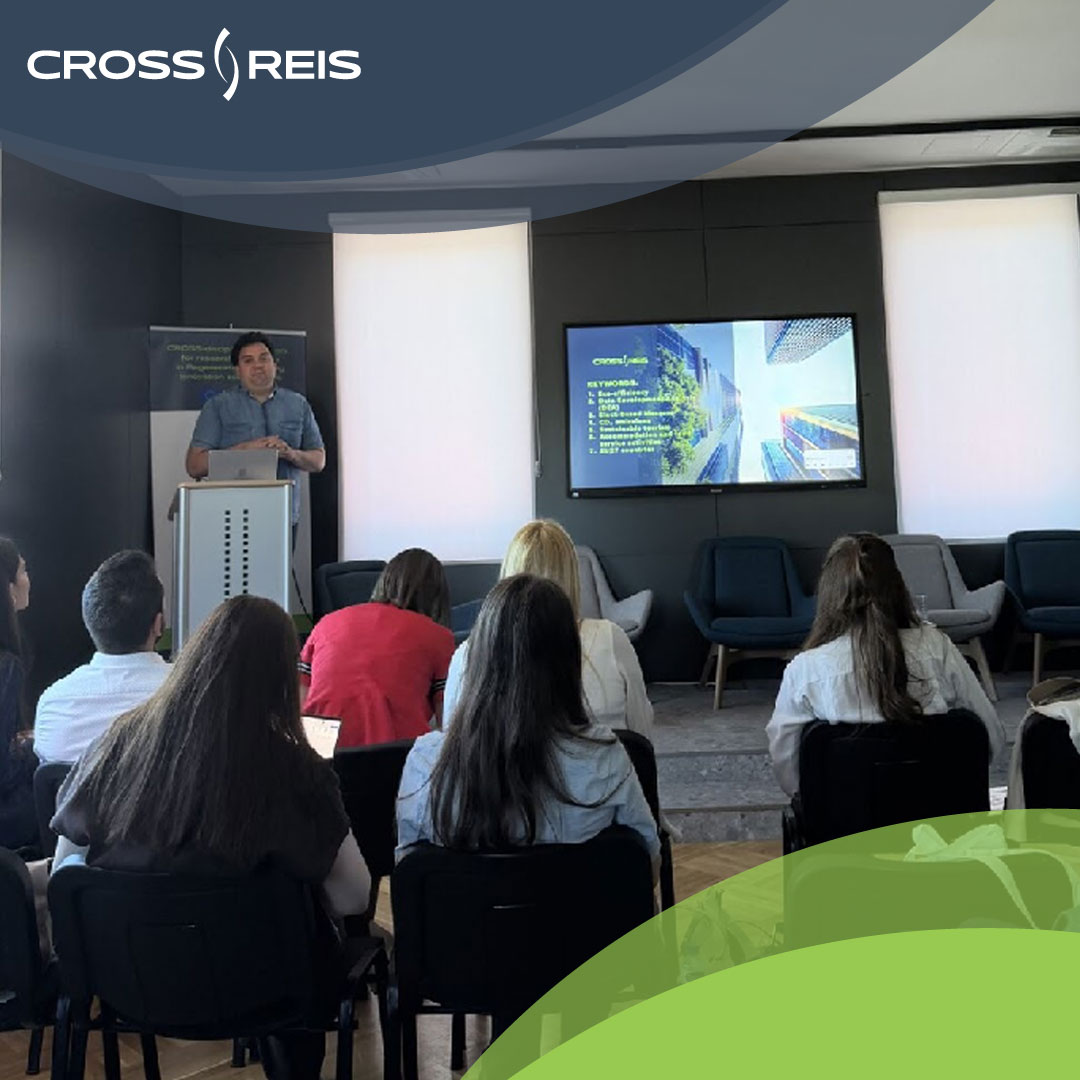
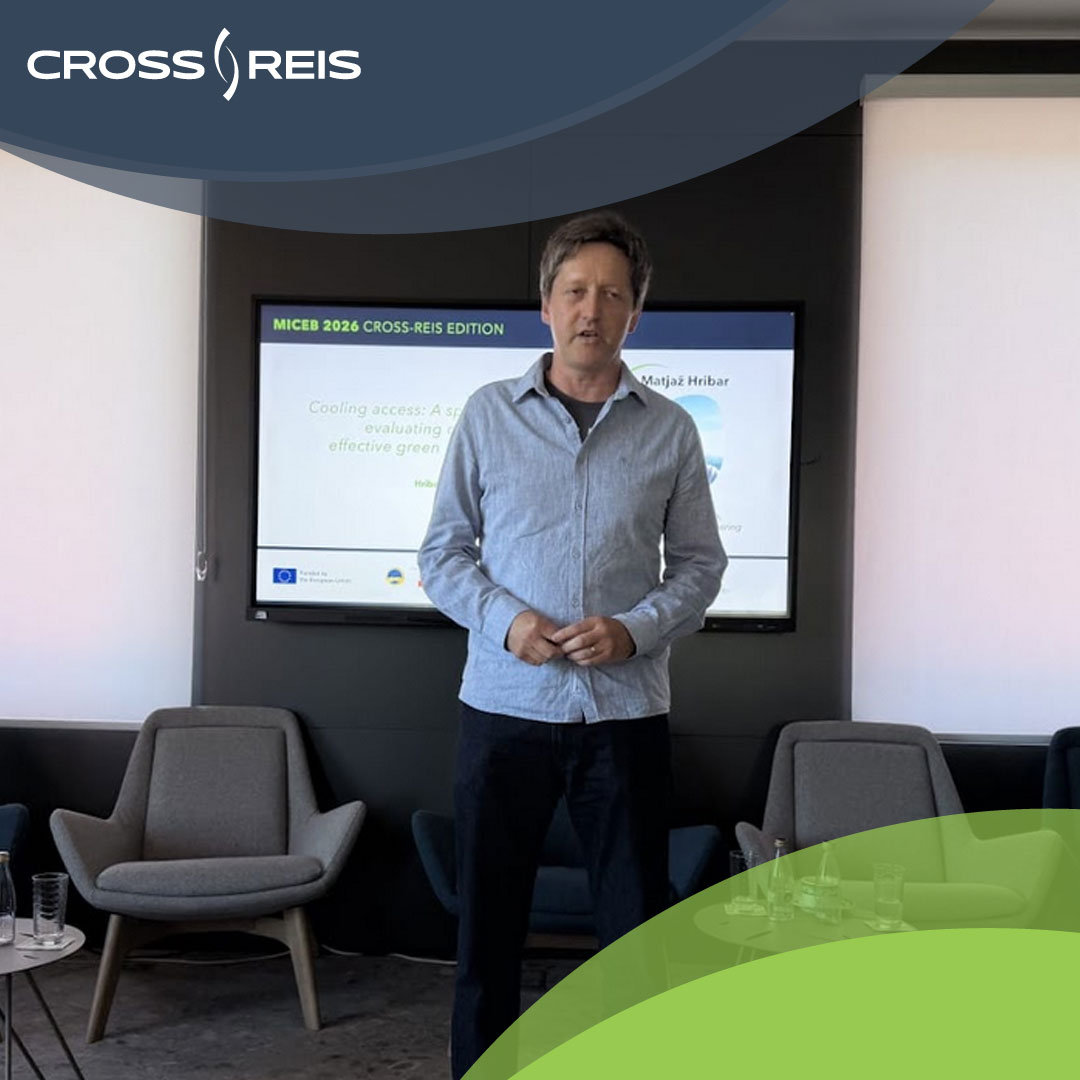
Beyond the academic programme, MICEB 2026 facilitated networking among researchers, policymakers, business representatives, and institutions working on sustainability and green transition. Participants discussed opportunities for future joint projects, research collaborations, and policy initiatives that can contribute to regenerative development in Montenegro, the Western Balkans, and Europe more broadly.
The conference also reinforced the role of the CROSS-REIS project as a platform for building research excellence and innovation ecosystems in the field of regenerative economy. By bringing together stakeholders from different sectors and countries, the event contributed to the project's mission of strengthening international cooperation and promoting knowledge exchange across disciplines.